Add Row
Add Element
cropper
update

{COMPANY_NAME}

cropper
update
Add Element
  • Home
  • Categories
    • Essentials
    • Tools
    • Stories
    • Workflows
    • Ethics
    • Trends
    • News
    • Generative AI
    • TERMS OF SERVICE
    • Privacy Policy
Add Element
  • update
  • update
  • update
  • update
  • update
  • update
  • update
October 31.2025
3 Minutes Read

What Small Business Owners Need to Know About AWS and Amazon Layoffs

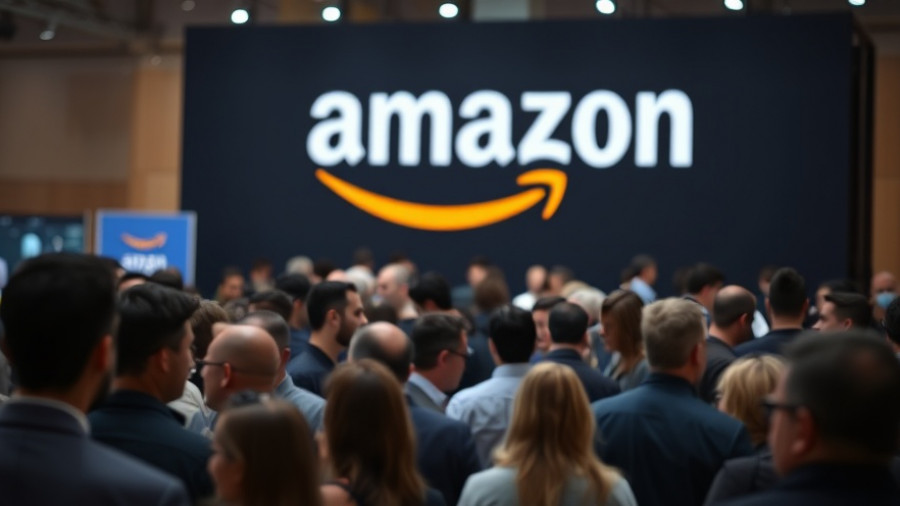
Amazon AWS logo at a busy business event, networking scene.

A Storm Brewing: Amazon's AWS and Corporate Layoffs

In the wake of escalating corporate layoffs at Amazon and recent outages reported by its cloud services division, Amazon Web Services (AWS), small business owners are left wondering about the implications of these developments on their own operations. The confluence of job cuts and service disruptions raises critical questions about the company's direction and stability.

Understanding the Layoff Landscape

Reports confirm that Amazon is gearing up to cut as many as 30,000 corporate jobs, a decision that comes amidst rising profits in its varied businesses (Reuters). This is a stark contrast to the outlay of spending incurred during the pandemic era when the company expanded at unprecedented levels. As Andy Jassy, Amazon's CEO, seeks to streamline operations and enhance efficiency through artificial intelligence (AI), many employees find themselves on the chopping block, even with the company maintaining a robust bottom line.

The AWS Outage: A Wake-Up Call for Small Businesses

Just last week, AWS experienced a significant service outage that impacted major platforms including Snapchat and Venmo. While Amazon has denied that these technological hiccups are directly related to the ongoing job cuts, industry experts express concern about the strain being placed on a service that underpins countless small businesses' digital frameworks. As companies lean increasingly on AWS for their operational needs, its reliability becomes paramount for business continuity.

The Role of AI in Driving Corporate Decisions

AI's transformative power is a recurrent theme in the discussions surrounding Amazon's layoffs. As highlighted by industry analysts, this marks a broader trend where companies are looking to leverage AI to automate tasks, thereby reducing headcounts (ABC News). There’s an evident apprehension among small business owners as they strategize on technology integration. Understanding how AI could positively or negatively impact their workflows calls for further exploration and adaptability.

The Potential for Future Trends and Predictions

As Amazon pivots towards greater efficiency through AI, small business owners must take heed. The pressure to innovate and adapt is growing, as echoed by studies suggesting that billions of jobs may be lost to AI over the next several years. However, there lies potential in readiness; issues like job creation in emerging tech sectors may present opportunities for those willing to evolve (ABC News).

Insights for Adapting to Change

What can small business owners glean from Amazon's current predicament? First, embracing technology, especially AI, can position small enterprises to not just survive but thrive amidst industry shifts. It’s also essential to stay informed about technological disruptions that can affect service provision.

Additionally, navigating the complexities of external economic pressures requires robust planning. Given that Amazon's layoffs coincide with a general economic turning point, diversifying supply chains and service providers might mitigate risks linked to reliance on a single entity like AWS.

Final Thoughts and Considerations

The fallout from Amazon's job cuts and AWS outages serves as both a cautionary tale and a call to action for small business owners. Understanding the intricacies of digital infrastructure remains crucial as tech giants navigate through tumultuous waters. Innovators will find resilience through adaptation in this rapidly changing landscape.

Now is the time to refine business operations, explore new technologies, and equip your enterprises for resilience in an uncertain future. It is crucial to take stock of how these changes may impact your business strategy and operations down the line.

Ethics

21 Views

0 Comments

Write A Comment

*
*
Related Posts All Posts
12.15.2025

Unveiling the Alarming Trend of AI-Generated Disney Videos

Update The Dark Side of AI-Generated Disney Videos The recent trend of AI-generated content is raising eyebrows—not just for its creativity but for its potential moral implications. Since the announcement of Disney's partnership with OpenAI to integrate their iconic characters into the Sora app, audiences have witnessed some remarkably unsettling creations. Users have recently transformed beloved Disney and Pixar characters into the stars of ghoulish videos, blurring the lines between fun and offensive. Videos spoofing historical tragedies—a Pixar-style “The Boy in the Striped Pyjamas,” for instance—challenge the limits of taste while exploring dark humor. Why Are Audiences Embracing Disturbing Content? It might seem counterintuitive, but there's an audience for these gritty adaptations of cheerful characters. The allure likely stems from the blend of nostalgia with irreverent humor, appealing to a demographic that enjoys both irony and shock value. As small business owners navigate the complexities of digital marketing, understanding trends in content consumption becomes crucial. Users' penchant for these videos signifies a shift in humor and entertainment consumption; there are market implications for brands attempting to reach similar audiences. Intellectual Property Concerns and the Role of AI This unsettling wave of content has thrust copyright issues into the limelight. Disney, known for vigilantly protecting its intellectual property, now finds itself in a precarious position. Is licensing its characters to an app that promotes potentially offensive content a wise decision? This strategic gamble surely holds consequences for small creators and content developers looking to take advantage of popular IPs. The Future: A Double-Edged Sword for Creativity As Disney expands its integration with AI, it opens new avenues for creativity but, simultaneously, risks the sustainability of its brand reputation. How will artists, small businesses, and influencers adapt? Disney's decision to allow fan-made videos could either bolster innovative creativity or create a landscape rife with ethical dilemmas. Future creators may feel empowered to push boundaries, but they must also grapple with the implications of their content. Debunking Myths: Not All AI Content Is Created Equal It’s essential to demystify the belief that all AI-generated content is inherently bad. While there have been many examples of inappropriate and offensive humor produced by the Sora app, AI also holds the potential to revolutionize how stories are told. Understanding the tools and settings available can aid small business owners in leveraging AI for positive storytelling that resonates with audiences ethically and effectively. Conclusion: Navigating the AI Landscape as Small Business Owners In this ambiguous landscape of AI-generated content, small business owners need to equip themselves with the understanding of its capabilities while navigating the ethical complexities that arise. As AI continues to evolve, so too must our approaches to content creation and marketing. Engaging thoughtfully with technology can serve both creativity and ethical responsibility. Stay informed, adapt, and consider how these shifts in digital content might impact your business strategies moving forward.

12.13.2025

LinkedIn’s Algorithm and Gender Visibility: Uncovering Bias in Professional Networks

Update LinkedIn's Algorithm Under Scrutiny for Gender Bias In recent months, LinkedIn users have increasingly voiced concerns regarding the platform's algorithm and potential gender bias, sparking a wave of informal experiments. These tests, characterized by the hashtag #WearthePants, have seen numerous female users changing their gender on their profiles in an attempt to boost engagement. One notable case is Michelle, a product strategist who, after switching her gender to male, observed a remarkable 238% increase in post impressions. This phenomenon has raised questions about whether LinkedIn's algorithm may be inadvertently favoring male users over female users. A Shift in Engagement Dynamics Michelle is not alone in her experiences. Several women in similar professional spheres have reported significant boosts in their post visibility after altering their gender profiles. Women like Marilynn Joyner, a founder who experienced a drastic jump in post engagement, have drawn attention to a potential systemic issue within LinkedIn’s algorithm. Users have pointed out that the algorithm's recent updates might disadvantage women, making it harder for their content to circulate despite having larger followings. LinkedIn has publicly stated that its systems do not utilize demographic factors like age, race, or gender to determine content visibility. However, anecdotal evidence suggests otherwise. Bro-Coding: The Language Of Leadership As part of the ongoing investigation into LinkedIn's algorithm, the concept of 'bro-coding' has emerged. Users have begun rewriting their profiles using traditionally masculine-coded language—filled with action-oriented buzzwords—to see if this leads to increased visibility. Reports suggest that this tactic has led many women to gain more traction on the platform, revealing an unsettling bias within LinkedIn’s content distribution. The term 'bro-coding' implies a conformation to language and communication styles typically associated with male leadership. This trend hints at a broader narrative within professional environments, often equating assertive communication with credibility and authority. Despite many users finding success with this approach, it raises complex ethical questions about the kinds of voices that are amplified within professional networks. Implications of Algorithmic Bias Experts agree that while explicit sexism may not be at play, implicit biases likely shape the way LinkedIn promotes certain types of content. Brandeis Marshall, a data ethics consultant, indicated that the LinkedIn algorithm is akin to a complex mechanism, where multiple variables interplay. The company's refusal to acknowledge the impact of certain language styles and gendered communication on content visibility further complicates the situation. The perception that engaging in 'bro-coding' leads to greater visibility may lead to an unhealthy environment where softer, more relational communication styles are undervalued. Statistics and User Experiences Further investigation into these claims revealed that the algorithmic changes have affected the visibility of women’s posts significantly. For example, a linguistic analysis study highlighted that masculine-coded language received higher engagement metrics compared to its feminine-coded counterparts. Despite the acknowledged variations in responses, professionals like Megan Cornish note that moving into a 'bro-coded' dialect led to discomfort, as it clashed with their authentic voice. While these anecdotal accounts are concerning, they echo broader societal issues regarding gender and communication in workplaces. The prevalence of these experiments—from changing gender identity to altering language—calls for a critical examination of LinkedIn, not just as a networking platform, but as a key player in defining and promoting modern leadership paradigms. Future Trends and Recommendations Looking forward, some recommendations for LinkedIn include conducting rigorous algorithmic fairness audits to examine language style biases, as well as developing fairness weighting metrics that recognize varied expressions of leadership. Additionally, prioritizing clarity and emotional intelligence within the distributed content could facilitate a more inclusive professional environment. Conclusion The current debate surrounding LinkedIn's algorithm and its impacts on gender representation showcases the complexities of digital interactions in professional settings. As conversations deepen and more users engage in experiments, it becomes increasingly vital for platforms like LinkedIn to consider and address these biases. By doing so, they not only enhance user experience but also promote a more equitable representation of all voices in leadership communications. It’s time for LinkedIn to shift its focus and embrace a broader definition of what it means to communicate effectively in the modern workplace.

12.14.2025

Exploring the Huge Underwater Structure in France: A Potential Boon for Small Businesses

Update Underwater Wonders: The Significance of the Discovery The recent discovery of a monumental 120-meter wall off the coast of Brittany, France, has sparked intrigue not only in the scientific community but also among small business owners looking to harness the potential of marine tourism and historical narratives. Dating back to around 5,000 BC, this massive undersea structure is believed to offer insights into a sophisticated Stone Age society, reshaping our understanding of coastal civilizations. Historical Context: A Window into the Past The wall, which could have been either a fish trap or protective dyke built by a community facing rising sea levels, illuminates the technical prowess and social organization of prehistoric societies. As coastal areas continually adapt to climate change, businesses can draw parallels to current challenges in environmental management and sustainability. Myth and Memory: The Legend of Sunken Cities Local legends of sunken cities, like Ys believed to be lost in the Bay of Douarnenez, echo the remembered abandonment of once-thriving settlements. This narrative can be leveraged by small business owners, creating touristic experiences or products that showcase the rich tapestry of local culture intertwined with deep historical roots. Scientific Insights: The Archaeological Breakthrough The wall’s discovery was no stroke of fortune; it was made possible with advanced radar technology and after years of exploration by geologists and archaeologists. Such a moment presents an opportunity for small business owners to invest in tech-driven services showcasing the intersection of history and modern innovation. Economic Opportunities and Challenges Tourism associated with these archaeological wonders can bolster the local economy. But businesses must tread carefully, balancing growth with environmental conservation to protect such invaluable heritage sites. Ventures in eco-tourism, for instance, can encourage sustainable practices that align community interest with profit. Future Implications: Lessons from the Past As we look to the future, the lessons gleaned from the ancient community that built the wall could serve as a beacon for today’s society. The adaptability and ingenuity of those who came before us are qualities that modern businesses should emulate, especially as our own communities face challenges from climate change. Actionable Insights for Small Business Owners Understanding the intricacies of such historical discoveries can inspire thematic marketing strategies or product development that resonate with environmentally conscious consumers. Businesses should consider how they can weave the narrative of this ancient civilization into their offerings, creating more than just a transaction but an experience steeped in context. Engaging stories of history can captivate hearts, transforming casual visitors into lifelong patrons. As such, the story of Brittany’s underwater wall is not just about the structure itself, but about what it represents: resilience, ingenuity, and an enduring connection between the past and present. As an owner, seize the moment. Consider how you can intertwine historical significance into your business narrative today—an endeavor that not only honors the past but also builds a bridge to a sustainable future.

Terms of Service

Privacy Policy

Core Modal Title

Sorry, no results found

You Might Find These Articles Interesting

T
Please Check Your Email
We Will Be Following Up Shortly
*
*
*