Add Row
Add Element
cropper
update

{COMPANY_NAME}

cropper
update
Add Element
  • Home
  • Categories
    • Essentials
    • Tools
    • Stories
    • Workflows
    • Ethics
    • Trends
    • News
    • Generative AI
    • TERMS OF SERVICE
    • Privacy Policy
Add Element
  • update
  • update
  • update
  • update
  • update
  • update
  • update
October 10.2025
3 Minutes Read

Unlock Marketing Efficiency: Draft AI-Generated Email Replies with Claude

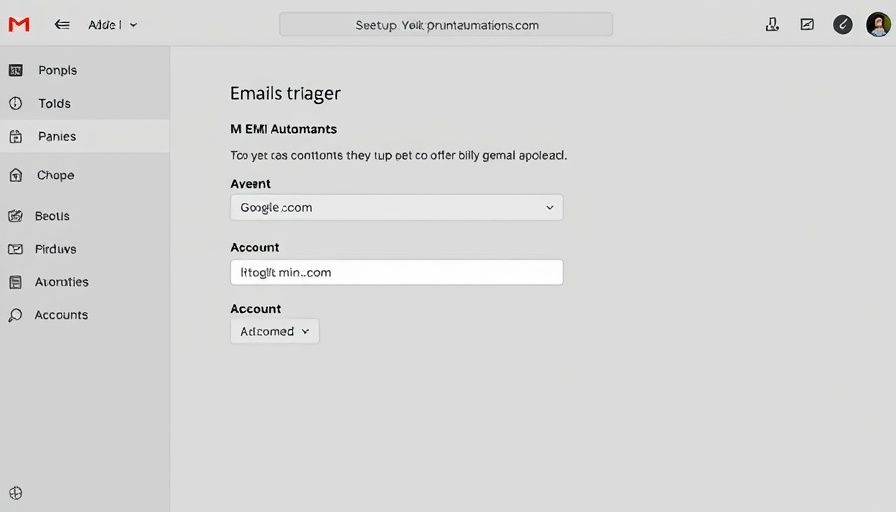
Email automation interface for AI-generated email replies setup.

Transforming Email Management with AI

For marketing professionals, managing a flood of emails can often feel overwhelming. The debut of Claude by Anthropic has paved the way for automated responses that mimic your style, making an ideal companion for those who want to maintain a personal touch even when leveraging technology. Imagine never missing a crucial follow-up or spending time crafting replies for routine inquiries. With the power of automation and AI, transforming this dream into reality is easier than ever.

Setting Up Claude with Zapier: A Step-by-Step Guide

Using Zapier, you can create an automated workflow, known as a Zap, that initiates a Claude-generated response every time a new email arrives in your Gmail inbox. This powerful integration leverages Claude's natural conversational style to draft email replies that reflect your voice. The setup is simple:

  1. Log into Zapier and select Gmail as your trigger app, setting the event to New Email.
  2. Connect your Gmail account, then choose the specific label for work emails or opt for the inbox directly.
  3. Then, configure Claude as your action app, inputting your API key from Anthropic’s Claude Console.
  4. Lastly, prompt Claude to generatively respond based on email content, tailoring messages to your preferences—the AI can learn and adapt over time.

Once established, Zapier will create draft replies in Gmail, allowing you a moment to edit before sending, thus keeping your communications personal yet efficient.

Why AI Email Assistance Matters for Marketing Professionals

Today, marketing hinges on responsiveness and engagement. The ability to generate replies quickly not only saves time but also enhances communication efficiency. AI email assistants like Claude help streamline mundane communication tasks, liberating professionals to focus on strategic initiatives. This automated drafting feature can be particularly beneficial during busy periods, such as product launches or major campaigns.

According to industry insights, AI tools are continuously evolving; they can now generate context-aware replies that can sound remarkably human, allowing users to maintain personalized communication even at scale. Claude’s capability to remember past interactions enhances this even further, offering a tailored response that mirrors your typical communication style.

Future Trends: Embracing AI in Workflows

The implementation of AI and automation in workflows suggests a significant shift in how we approach email communications. As email remains a staple of business interaction despite the rise of platforms like Slack and Teams, embracing tools that facilitate quicker responses is vital for maintaining competitiveness in the market.

Additionally, as marketers witness the efficiency brought about by AI tools like Claude, they are likely to integrate such technologies across various platforms, leading to a more interconnected, proactive marketing approach.

Conclusion: The Email Assistant of Tomorrow

While the excitement surrounding AI email assistants continues to grow, the fundamental takeaway for marketing professionals is clear: harnessing these tools facilitates a profound increase in productivity. The automation of routine responses holds the promise of alleviating the workload, enabling you to not just keep pace but lead in your field. To create your own automated response system using Claude, explore these AI tools today and redefine your email management strategy.

Workflows

13 Views

0 Comments

Write A Comment

*
*
Related Posts All Posts
12.07.2025

Unleashing the Power of AI: How to Train ChatGPT on Your Own Data for Marketing

Update Why Training ChatGPT on Your Own Data MattersAs artificial intelligence continues to evolve, tools like ChatGPT are increasingly becoming essential for businesses, particularly in marketing. For marketers, the ability to train ChatGPT on specific company data can lead to more tailored responses, resulting in heightened user engagement and ultimately greater conversion rates. This method allows brands to harness the AI’s capabilities by embedding their unique voice, values, and product offerings directly into the interaction process.Steps to Train ChatGPT on Your Own DataTraining ChatGPT involves a series of steps designed to enhance its performance based on your specific needs. The process generally begins by determining the type of data you wish to train the model on—this could range from internal documentation to customer interaction histories. Once you’ve identified this data, the next step includes preparing it for ingestion.1. Preparing the Data: Ensure that your data is organized and formatted correctly. This could mean structuring customer inquiries, product descriptions, or internal guidelines into a format that the AI can easily process.2. Training the Model: Utilize provided APIs or training software to upload your data. Depending on the platform, there may be different protocols. Following the guidelines provided by OpenAI (or whichever service you are using) is crucial for effective throughput.3. Testing and Iterating: After training, it’s vital to test the model with user queries and refine it based on performance. Feedback mechanisms should be established to improve the AI further continually.Why Marketers Should Embrace This TechnologyAccording to research, businesses using AI tools like ChatGPT report increased efficiency and improved customer satisfaction. For marketing professionals, this technology can promote personalized marketing efforts and immediate feedback loops from customers. Adopting AI in this way will not only streamline interactions but also provide valuable insights into consumer behavior that can shape future marketing strategies.Risks of MismanagementHowever, educating yourself on the risks associated with training AI models is essential. Improper data usage or failing to comply with new regulations—such as the U.S. sanctions restricting services to certain countries—can lead to legal implications and hinder operations. Marketing teams need to be acutely aware of these factors when integrating AI technologies into their workflows.Taking ActionMarketers excited about leveraging ChatGPT have the responsibility to embark on this journey with diligence. By understanding the training processes and proactively managing potential risks, your marketing efforts can significantly benefit from enhanced AI capabilities. Transitioning to this advanced technology is more than just training a model; it's about redefining customer engagement and nurturing it through informed content and seamless interactions.

12.06.2025

Unlock the Benefits of eCommerce Automation for Your Business Growth

Update The Future of eCommerce: Automation at the Helm In the face of increasing competition and expanding consumer expectations, eCommerce businesses are discovering the crucial advantages of eCommerce automation. This process not only streamlines operations but also enhances efficiency, allowing marketing professionals to focus on strategy and customer engagement rather than repetitive tasks. By leveraging automation tools, businesses can ensure that all operational aspects—such as inventory management, order processing, and customer service—work harmoniously to deliver an optimal shopping experience. What is eCommerce Automation? eCommerce automation refers to using software to handle repetitive tasks within their online stores, such as sending out order confirmations and updating inventory levels. Automation represents a dynamic shift from the labor-intensive manual processes that can lead to errors and inefficiencies. By removing these cumbersome activities, businesses can free up valuable time to dedicate to growth and innovation. As described in various sources, this can encompass everything from managing customer relationships to handling complex backend tasks efficiently. Benefits of Embracing eCommerce Automation Implementing automation is opening the door to numerous benefits, including: Streamlined Operations: As noted in existing literature, automation systems enhance operational efficiency by reducing errors and expediting processes. For example, when a customer completes a purchase, automation can immediately trigger notifications within teams, add the buyer to an email list, and handle fulfillment communications—effectively streamlining entire workflows. Improved Customer Experience: With timely order updates and personalized communications automatically generated by integrated systems, businesses can foster stronger relationships with their customers. This dynamic is evident from recent trends projecting that nearly 74% of consumers place a high value on seamless customer experience. Analytics and Data Insights: Companies that adopt automation tools can track customer behavior in real time, allowing for data-driven marketing strategies. Intelligent analytics can inform inventory decisions, marketing campaigns, and customer engagement efforts, ultimately enhancing sales strategies and improving the bottom line. Diving into Real-World Applications To illustrate the applicability of automation in the eCommerce space, consider the following: Inventory Management: Automated systems can keep real-time inventory levels updated across multiple sales channels. By integrating platforms like Shopify or Amazon with inventory management tools, businesses can avert overselling and manage stock smoothly. Marketing Automation: Using tools that handle email marketing, SMS campaigns, and social media posts allows businesses to maintain brand engagement without the need for constant manual oversight. This not only raises efficiency but also optimizes return on marketing investment. Customer Service Automation: Implementing chatbots and automated messaging solutions can handle customer inquiries swiftly, drastically reducing the workload on support teams while increasing satisfaction ratings. Anticipating Automation's Future in eCommerce The future landscape of eCommerce is poised for major transformations as automation rises to new heights. Market trends indicate the continued integration of advanced technologies like AI and machine learning, which will further refine personalization and enhance data analytics. As companies evolve, the emphasis will lie in how effectively they can integrate these tools into their existing systems instead of viewing them as isolated solutions. Taking Action: Embrace Automation Today As a marketing professional navigating the complexities of eCommerce, leveraging automation tools isn't just recommended—it's essential. As operational tasks become more automated, you'll find yourself better equipped to focus on strategic initiatives that drive growth. If you haven't already, it's time to evaluate the automation solutions available and adopt the ones that align best with your business objectives. To explore the exciting possibilities of eCommerce automation and discover effective tools tailored to your unique needs, do not hesitate to start today!

12.05.2025

Understanding Zapier’s Sanction Impact: Automation Strategies for Marketing Professionals

Update Understanding the Impact of Sanctions on Automation Tools In a shifting global landscape, the recent announcement from Zapier regarding the cessation of services in sanctioned countries, including Russia, Belarus, Iran, North Korea, Syria, Cuba, and Crimea starting September 12, 2024, is a significant development for businesses operating in these regions. For marketing professionals and enterprises using Zapier’s automation platform, this change necessitates strategic reassessment of their workflows and integrations, particularly for those relying on AI functionalities that connect international applications. Tool Integration Challenges Amid Sanctions The primary concern raised in Zapier's announcement is the challenge that enterprises will face in maintaining data integrity and efficiency without the ability to utilize their existing automation setups in these sanctioned countries. With about 70% of enterprises experiencing issues with AI integration—highlighted in Zapier's recent survey—businesses might find themselves under pressure to find new ways to automate processes without connecting to apps in sensitive regions. As organizations adapt, they will need to consider alternate tools or platforms that comply with international regulations while still achieving their automation goals. AI Orchestration: The Future of Automation? The shift towards comprehensive AI orchestration, which transcends basic application connections and fosters coherent workflows, becomes essential in this context. The concept of 'tool sprawl'—where businesses accumulate multiple AI applications without effective integration—might ironically worsen as enterprises scramble to substitute their lost functionality in sanctioned regions. Facing an increase in operational chaos, companies must prioritize governance and oversight in their AI adoption, as noted by Zapier’s AI experts. Mitigating Risks Through Ethical AI Practices In light of ethical concerns surrounding data privacy and AI bias, businesses leveraging automation tools must enforce responsible practices. Zapier's integration of AI opens exciting possibilities, such as automatically generating targeted marketing content or handling customer interactions through chatbots. However, as explored in various critiques, these capabilities raise legitimate privacy risks, particularly when sensitive user data is processed across numerous applications. It’s crucial for marketing professionals to regularly audit their automation workflows and practice transparency when utilizing AI. Bridging the Integration Gap The survey revealed disruptions caused by disconnected AI tools had measurable impacts on productivity. With enterprises planning to raise their tool counts substantially over the next year, the tale of potential chaos looms larger. Solutions need to address these mounting integration challenges to keep robust workflows at the forefront. Regular audits and clear governance structures must become standard practices to avoid operational inefficiencies and compliance missteps. The Path Ahead: Taking Action Now Looking forward, as the digital transformation of businesses accelerates, Zapier's restrictive policies may very well serve as a wake-up call. By investing in centralized orchestration platforms and fostering a proactive stance towards compliance and ethics, organizations can not only mitigate risks but also tap into the growing ethos of responsible digital practices. It's essential for businesses to remain adaptable and prepared for changes that will influence their operational landscapes significantly. In conclusion, as the industry grapples with the consequences of these sanctions and the shifting legal framework regarding software services, a pivot towards mindful automation practices will serve professionals and their organizations well. The future of automation isn't merely about efficiency; it’s about creating a landscape of trust, transparency, and ethical responsibility in AI deployments.

Terms of Service

Privacy Policy

Core Modal Title

Sorry, no results found

You Might Find These Articles Interesting

T
Please Check Your Email
We Will Be Following Up Shortly
*
*
*